In partnership with

Is it just me, or do we all always feel tired? As a high school student taking numerous AP courses, I average about 5 hours of sleep on weekdays. On weekends, I won’t let myself get up until I have completed 9+ hours of sleep… but often times that means waking up around 12 pm! It’s so strange, but I always have the desire to sleep as late as possible. When darkness hits, the last thing I want to do is sleep, but the next morning (or should I say early afternoon), I regret it so much. I decided to investigate what the truth is behind this… and there seem to be two main reasons.
One is a psychological phenomenon called Revenge Bedtime Procrastination (RBP). Newsweek claims that nearly 51% of Americans engage in RBP, being more popular among Gen Z. RBP is when people intentionally stay up late to enjoy personal time, even while knowing it is not good for their health. Individuals do this because they feel like they don’t have enough control over their daytime schedule, and thus stay up late to reclaim free time (Sleep Foundations). This is why it’s so common for people to stay up scrolling or relaxing after a long day, rather than just getting a full night’s rest.
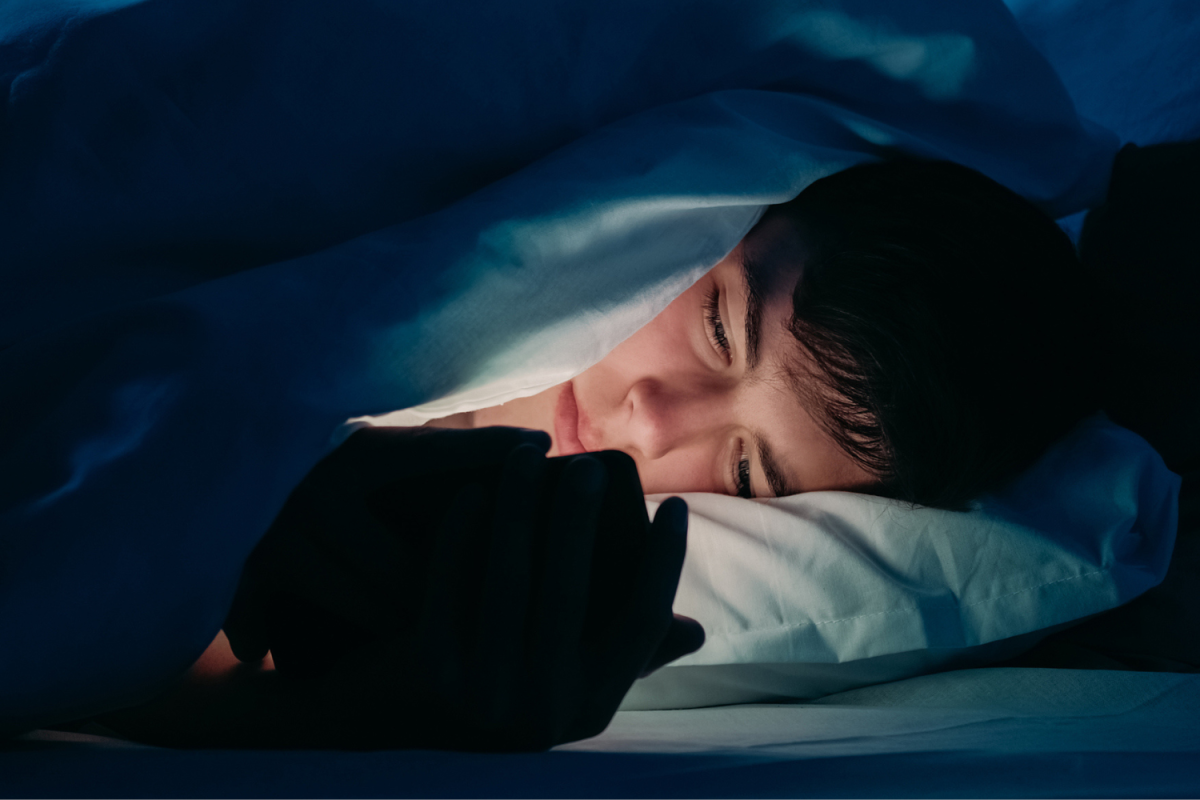
Another reason why it’s difficult to fall asleep is due to technology. According to Business Insider, devices such as smartphones emit bright blue light that our eyes register during the day. Looking at this light during the night confuses our brain into thinking it’s still daytime, and stops our body from producing our sleeping hormone, Melatonin. In the past decade or two, the usage and production of technology have been growing rapidly. It’s no surprise that people are having a harder time falling asleep, especially younger individuals, since we are constantly on our phones during darker hours.
Overall, sleeping late and being exhausted have become a habit. We have tricked our minds into believing that this is the right way to live, but it’s slowly killing us. The National Library of Medicine claims that irregular sleeping patterns increase the risk of weight gain, insulin resistance, increased risk of diabetes, chronic inflammation, weakened immunity, anxiety/depression, poor memory/focus, mood instability, higher risk of heart disease, and so much more. On top of that, it leaves you feeling constantly tired, even on days when you get complete hours of rest. All of these things sound extreme, but improper sleep holds that extent of impact.
Our body relies on sleep to function with full efficiency and be healthy. We should be making efforts to reduce all the given risks and live a better lifestyle. But what can we do? The Cleveland Clinic recommends sticking to a daily routine, going outside during the daytime, participating in physical activity, fostering a restful sleep environment, avoiding caffeine, and limiting screen time. Doing all of these things can help our bodies slow down during darker hours and have the urge to fall asleep. The best time to go to bed is 10 pm, as it aligns with our body’s natural circadian rhythm, and is when we will get the best quality of sleep.
We all want more time. But when we steal it from our sleep, we end up paying for it with our efficiency and health. It must stop now.
Want to get the most out of ChatGPT?

ChatGPT is a superpower if you know how to use it correctly.
Discover how HubSpot's guide to AI can elevate both your productivity and creativity to get more things done.
Learn to automate tasks, enhance decision-making, and foster innovation with the power of AI.
Source: